You can prepare an answer. Can you handle the follow-up?

Tavara is where you practice the conversations that matter. Talk through realistic AI simulations, handle the questions you didn’t prepare for, and learn to think on your feet before the moment is real.

10 free minutes when you sign up, no card needed. Or try a 5-minute voice session without an account.

The live session screen (illustration).

Knowing the answer isn’t the same as giving it.

AI can help you draft a strong answer, and that’s useful preparation. But in the room nobody reads your draft. They ask what you meant, push on the weak part, and wait while you think.

On paper

A prepared answer

Why do you want to join the student council exec board?

I want to improve communication between students and the council. I’ve led two clubs, I’m organised, and I’m good at bringing people together around a shared goal.

It reads well. Nobody has questioned it yet.
Out loud, in Tavara

The same question, live

  1. Exec ChairWhy do you want this role?
  2. YouI want to improve communication between students and the council.
  3. Exec ChairEveryone says communication. What went wrong this year because of it?
  4. YouUm, the club fair moved and a lot of clubs found out late…
  5. Exec ChairSo what would you have done, specifically, the week it happened?

Each question comes from your last answer. That’s the part you can only practice out loud.

Illustrative example from the Exec Chair scenario.

How Tavara works

Three steps, and you can start the first one in under a minute.

Choose your challenge

Pick a scenario such as a debate round or an admissions interview, start a 90-second drill, or build a custom room from your own prompt, rubric or job description.

Practice out loud

Talk with an AI that listens to your answers and responds to them with follow-up questions and objections. Set it to Supportive, Realistic or Strict; on Strict it interrupts more readily.

Review and go again

Get a score out of 100 with a breakdown by skill, plus your strengths and gaps in plain language. Then run the room again or switch to a drill. Signed-in sessions are saved to your history.

Two ways to practice

Short drills keep you sharp between big moments. Full simulations let you rehearse the moment itself. Most people do both.

Daily Practice

Short, regular drills

  • One 90-second spoken answer to a prompt in the area you choose
  • Scored right away for pace, filler words and impact
  • A streak for every day you practice (every week on Free)
How Daily Drills work
Full Practice

Realistic simulations

  • Sessions of up to 20 minutes with an AI that plays a specific person
  • Debate rounds, interviews, admissions, leadership, negotiation and custom rooms
  • A scorecard when you finish, with written feedback saved to your history
Browse scenarios

Drills don’t replace rehearsing the real conversation; they build the habits you bring to it. Both use the same minute balance.

Skills that carry from one conversation to the next

A debate round and a job interview look different, but they test the same abilities. Each one has places to practice it today.

Persuasion and argument

Making a case, backing it with reasons and evidence, and answering the other side.

Clarity and structure

Getting to the point in an order the listener can follow, and landing a clear conclusion.

Who it’s for

Students and young adults facing these conversations for the first time. They often come with little warning and no second attempt. You can read every guide and still freeze on the follow-up; Tavara lets you have the conversation a few times first, where a stumble costs nothing.

High school

Debate rounds, student council and club exec interviews, admissions interviews and language orals.

University and early career

Behavioural and job interviews, your first salary negotiation, and any conversation you set up yourself.

Why not just ask a chatbot?

A chatbot is good at writing an answer for you. Tavara is built for the part nobody can do for you: saying it yourself, live, and handling what comes back.

It follows up on what you said

Each question builds on your last answer, so a vague claim gets questioned instead of accepted.

You speak, in real time

A live voice conversation. There’s no pause to edit, just like the real thing.

Every room has a goal

A role, a context and a rubric. An admissions interviewer wants different things from a hiring manager.

You can run it again

Same room, new attempt, as often as your minutes allow, so you can try a different approach.

Feedback points to the next fix

A score for each skill the room is judged on, plus your strengths and gaps in plain sentences.

Your practice adds up

Signed-in sessions and scorecards are saved, so you can look back at how earlier attempts went.

As more writing and technical work gets done with AI’s help, the things you still have to do in person matter more: explaining your thinking, persuading a room, answering the question behind the question. Those are skills, and skills come from practice.

One session becomes a plan for the next.

Feedback is only useful if it changes the next attempt. Here’s the loop.

  1. Review the feedback

    An overall score, a score for each skill the room is judged on, and your strengths and gaps in plain sentences.

  2. Pick one thing to work on

    Your lowest skill score is usually the place to start, and the gaps tell you what it looked like in your answers.

  3. Go again

    Run the same room with that one thing in mind, or do a 90-second drill in the same area.

  4. Look back

    Every signed-in session and its scorecard stays in your history, so you can compare attempts.

Illustrations of the scorecard and History screens.

What you can practice

Each room puts a different person across the table, with their own priorities, their own rubric and their own way of pushing back.

Flagship · Lincoln-Douglas, World Schools, British Parliamentary

Debate Floor

Run a full round in Lincoln-Douglas, World Schools or British Parliamentary format. Every other seat is an AI speaker with its own voice, and points of information land mid-speech, so you practice holding your line while someone is on their feet against you.

Pick a debate format

High School

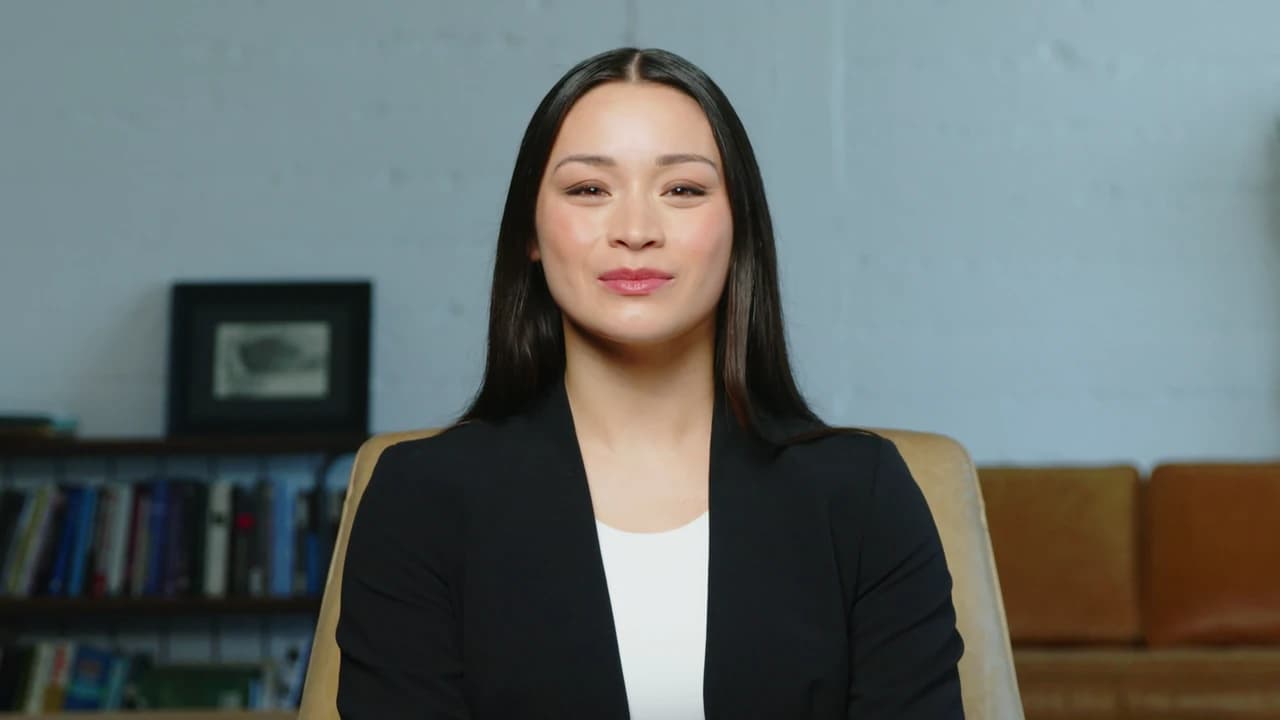
Exec Board Chair, played by the Rika AI avatarExec Board Chair

Exec Chair

Interview for student council, DECA leadership, an MUN chair or a club board seat. The chair asks why you over the other candidates, tests your platform with skeptical follow-ups and scores your clarity, credibility, composure and persuasiveness.

Try this room
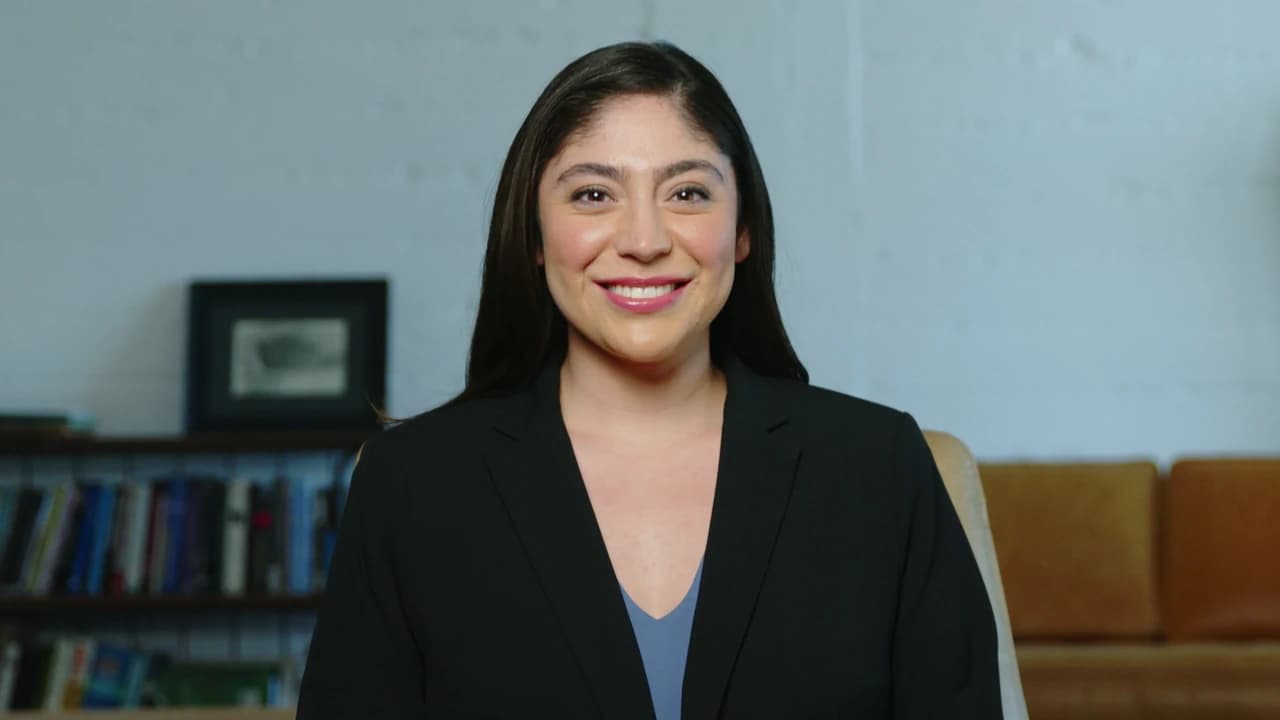
Language Evaluator, played by the Alessandra AI avatarLanguage Evaluator

The Viva

Sit a spoken language exam or oral defense. The evaluator speaks in your target language, asks you to describe, explain and justify, and scores fluency, grammar, vocabulary range and pronunciation.

Try this room
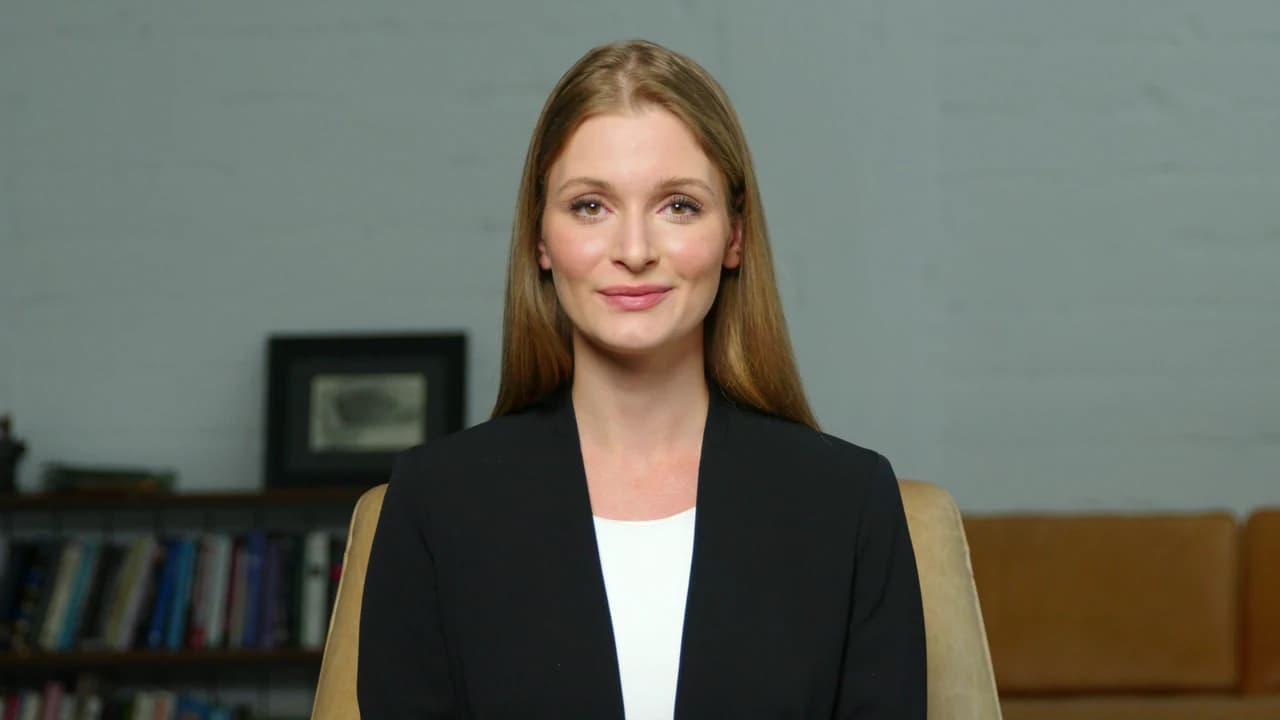
Alumni Evaluator, played by the Marianne AI avatarAlumni Evaluator

Admissions Room

An alumni interviewer asks why this school, what you would add to campus and the personal question you did not prepare for, then pushes past anything that sounds rehearsed. Scored on specificity, authenticity, depth and composure.

Try this room

Collegiate and Early Career

Campus Recruiter, played by the Pedro AI avatarCampus Recruiter

Recruiter Screen

The “tell me about a time” round. Answer in STAR form, then handle the follow-up that asks what you personally did. Scored on STAR structure, clarity, filler words and authenticity.

Try this room

The Interview

Paste the job posting and the interviewer adapts to it. Engineering and finance roles get technical or case-style follow-ups, generalist roles stay broader, and every question references the role and company you gave it.

Try this room
Hiring Manager, played by the Katya AI avatarHiring Manager

The Offer

A hiring manager opens with a real offer and a budget band behind it. Make your counter, back it with evidence and hold steady when they say the number is fixed. Well-reasoned asks move the offer; vague ones do not.

Try this room
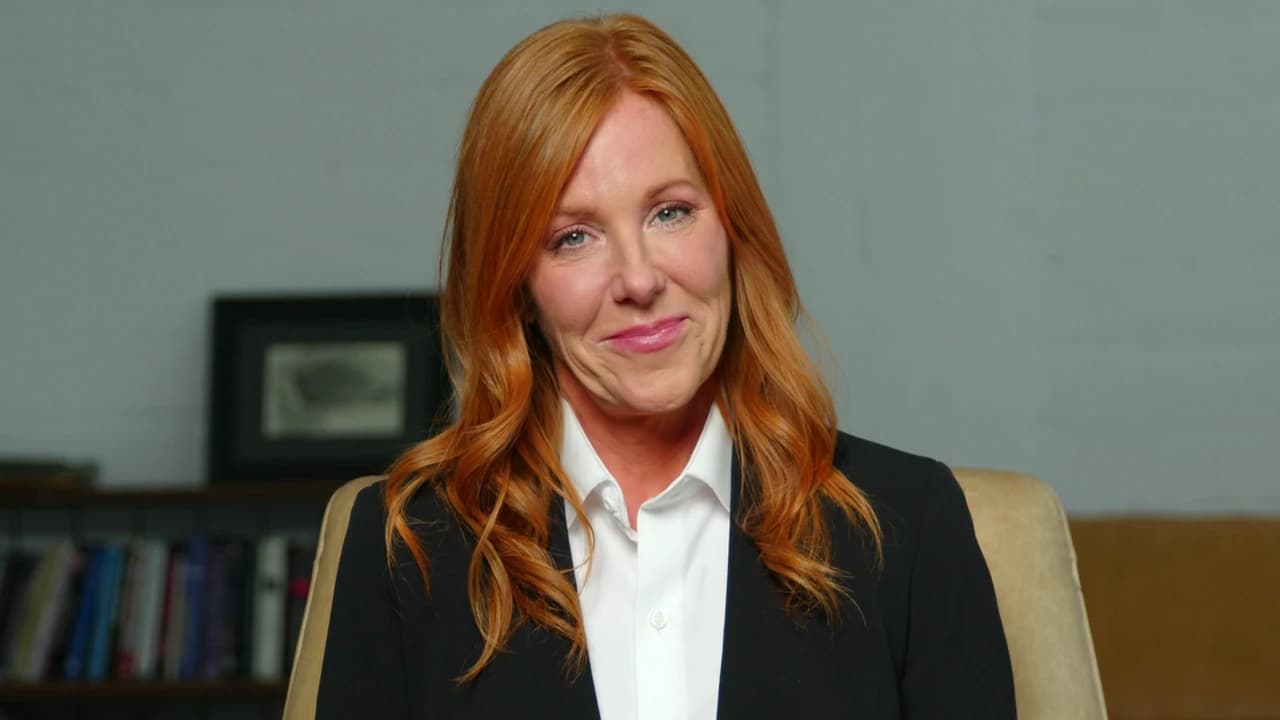
Custom persona, played by the Anastasia AI avatarCustom persona

Your Scenario

Paste a prompt, a rubric, a DECA case or a job description, or upload a PDF or Word file. Tavara turns it into a persona with questions to match, for any conversation that is not on this list.

Build your room

You don’t need a big moment to start.

A first session takes ten minutes. Sign up for 10 free minutes with no card, or try a 5-minute voice session without an account.